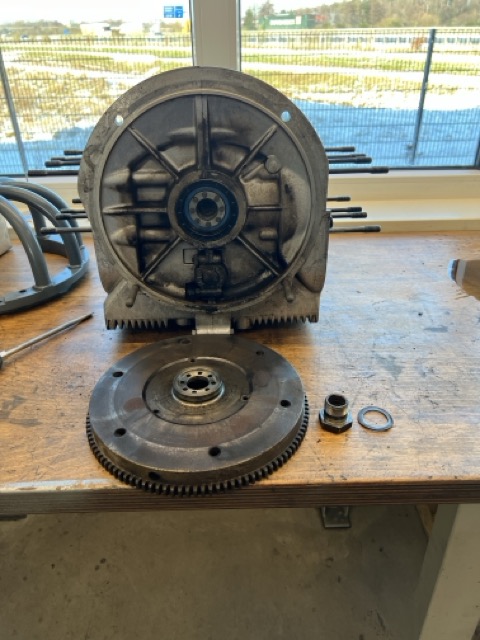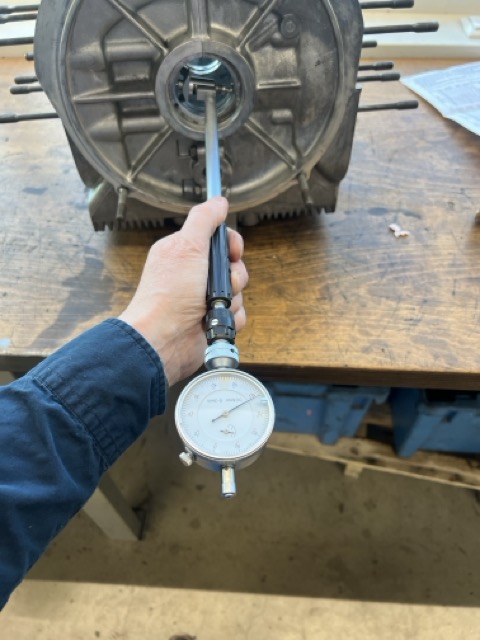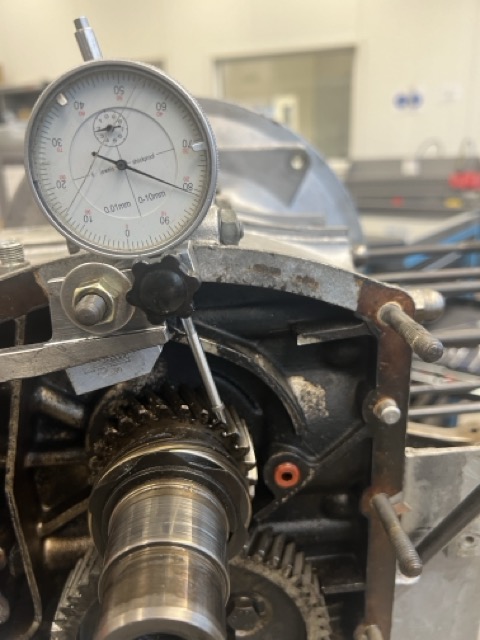


Fifteen years after a car is first registered, almost regardless of type, it is decided whether the used car becomes a worn-out car or a classic.
Even though a Porsche almost always has the makings of a classic, it is never certain whether it will survive the phase of improper treatment and inadequate repairs in such a way that, for example, a condition rating of 2 could ever be achieved again. With newer vehicles, a successful and economically viable revival often fails due to the complexity of the cars; with the 356 and the early 911, time and again—without it being apparent at first glance—you are faced with a huge 3D collection of parts: everything that was cheaply available for repairs or even supposed optimisations has been installed over the years.
Time and again, the view prevails that a vehicle with matching numbers—meaning the body, engine and gearbox still carry exactly the numbers the vehicle had when new—protects against such surprises. Unfortunately, that is not the case. Especially with the 356, you find the most curious combinations of type and model year—very few drivers in 1978, for example, bought new pushrods from Porsche if they had been damaged after a hard battle on country roads due to an over-rev. People looked for used replacements and got the good piece running again with a great deal of improvisation. When you dismantle a 356 engine today, you must identify and eliminate old emergency fixes.