Portfolio

The 1st generation of water-cooled engines

BETTER THAN ITS REPUTATION?

Porsche 996 / 997

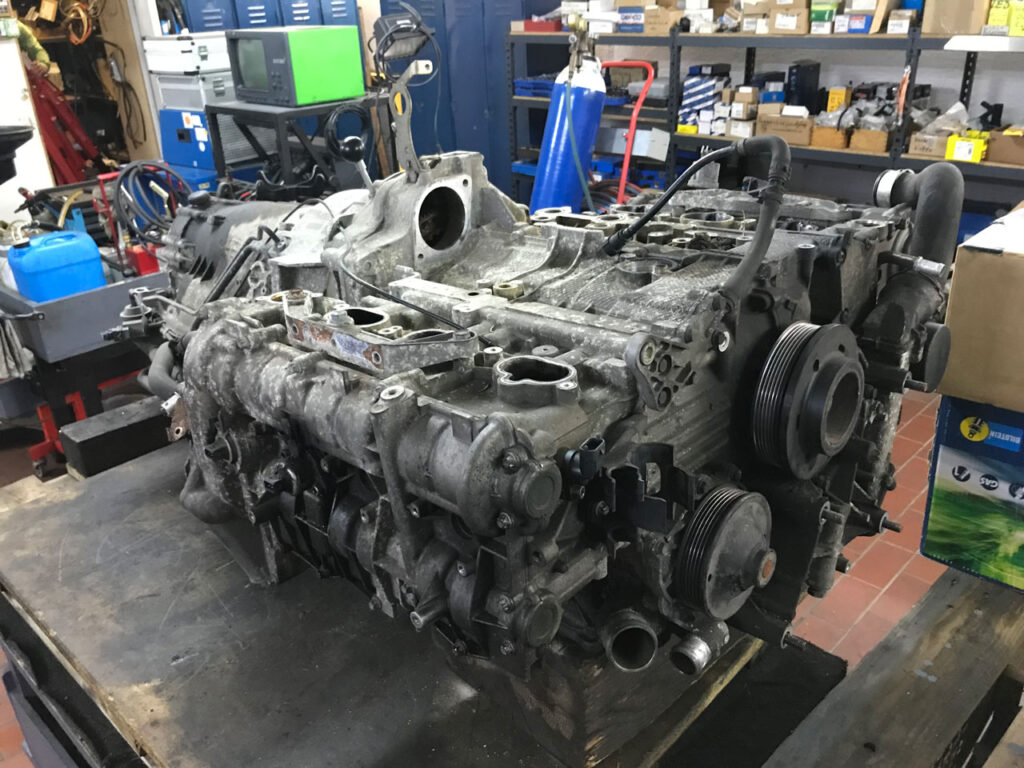
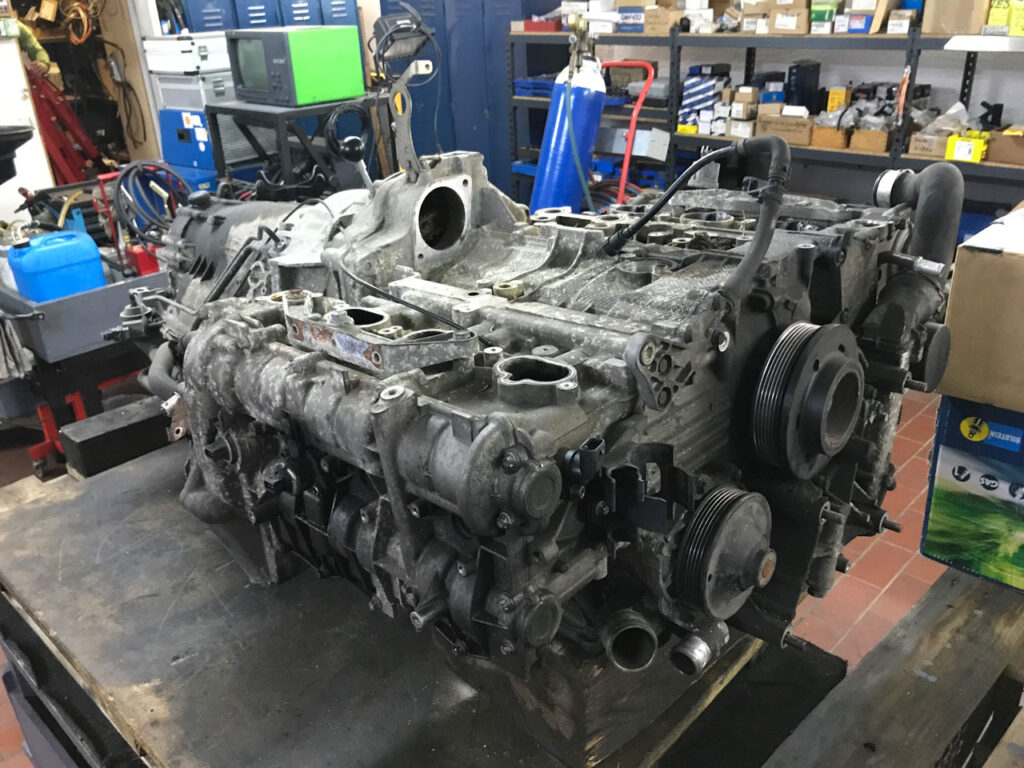
Porsche’s first water-cooled flat-six is significantly better than its reputation, but like its air-cooled predecessors it also requires an experienced hand and the willingness not just to replace parts, but to repair them.

Our workshop experience over recent years shows the following key areas:

  • Oil leaks
  • Intermediate shaft bearing
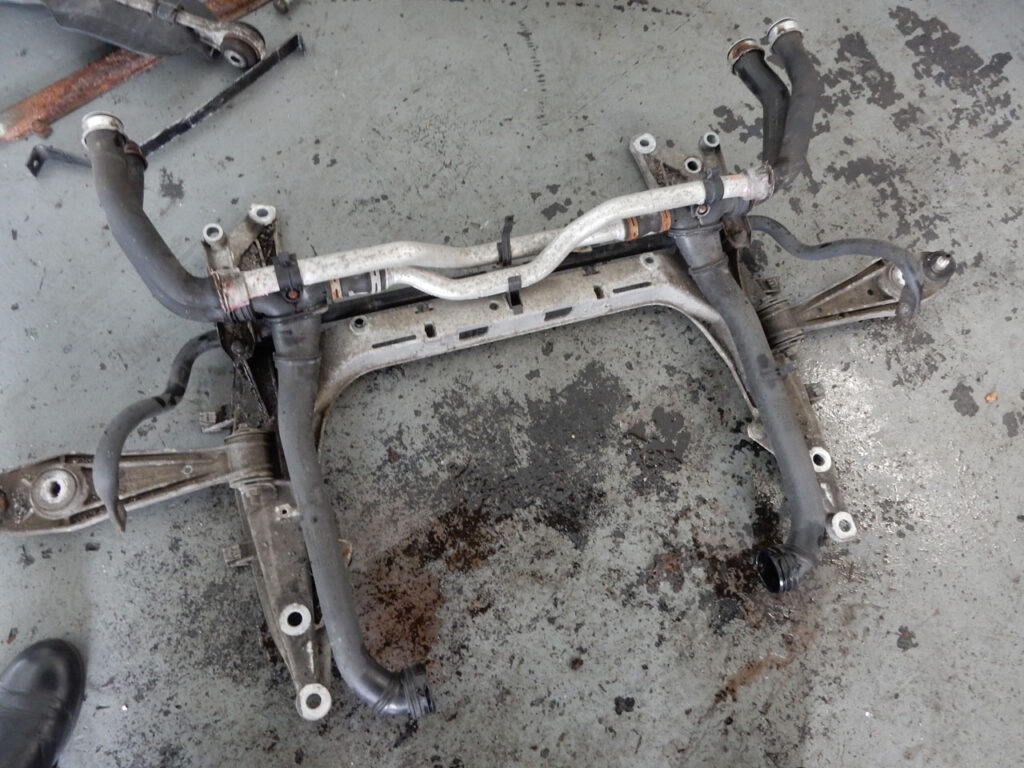
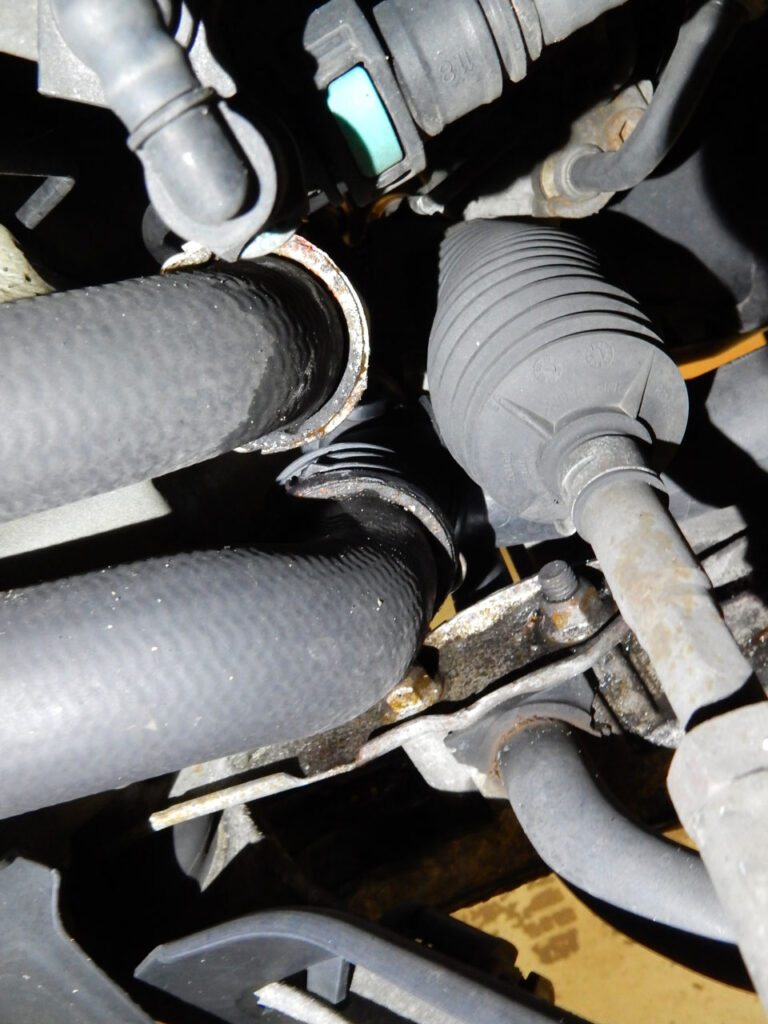
  • Loss of engine coolant at the pipe connectors
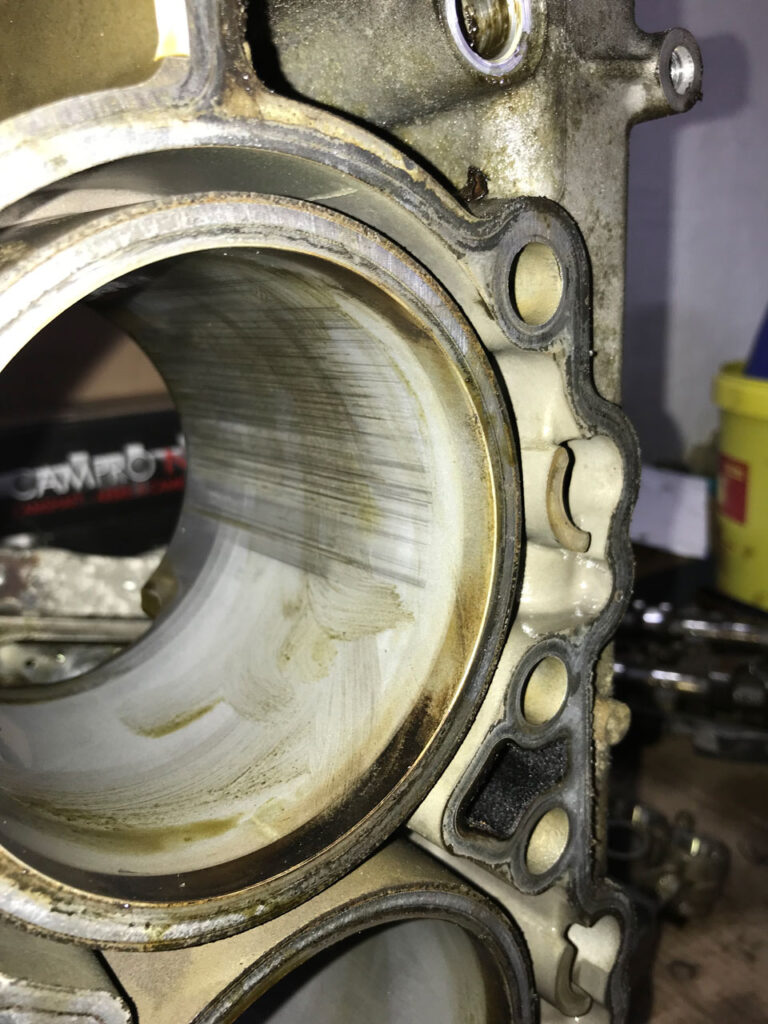
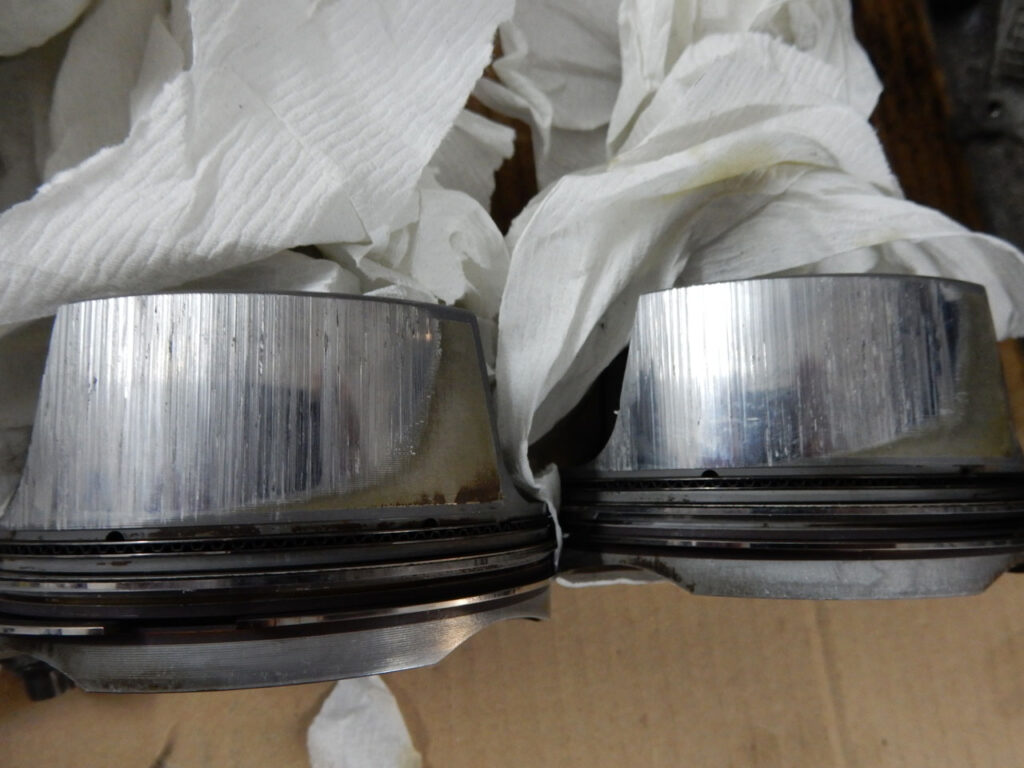
  • Piston slap due to wear of the cylinder walls

If the transmission-side crankshaft seal on a 996 has to be replaced due to oil leaks, we recommend overhauling the intermediate shaft bearing as part of the same combined job. Otherwise, the likelihood of this typical failure occurring again after a short time—requiring the transmission to be removed once more—is very high.
The heat exchanger

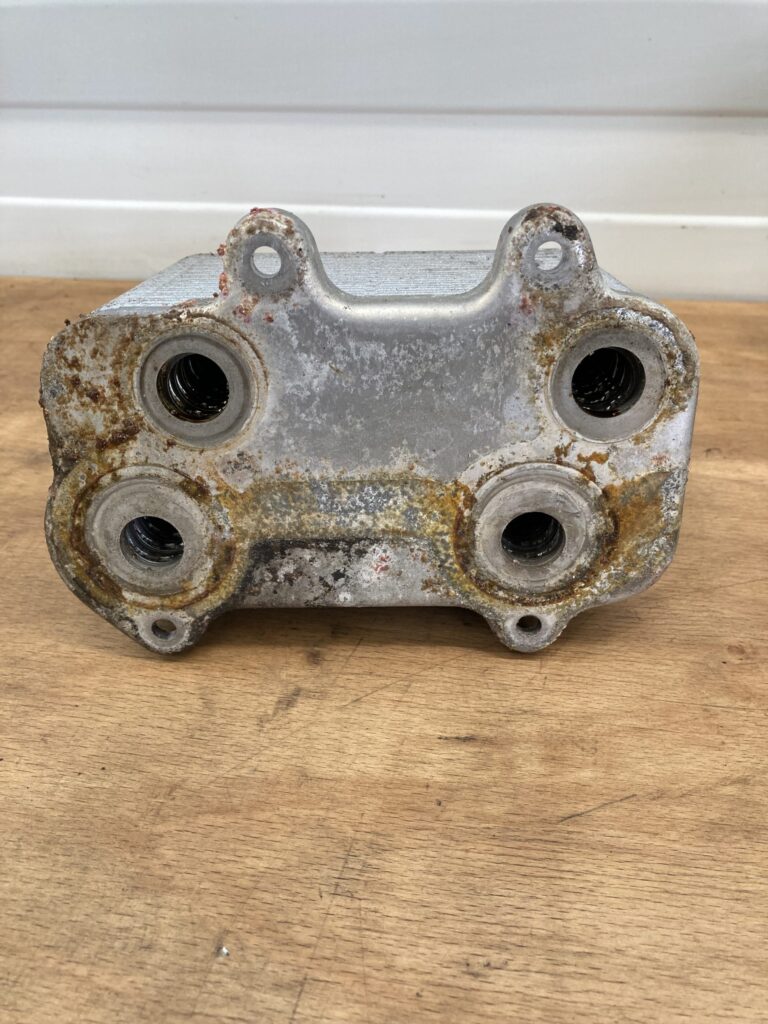
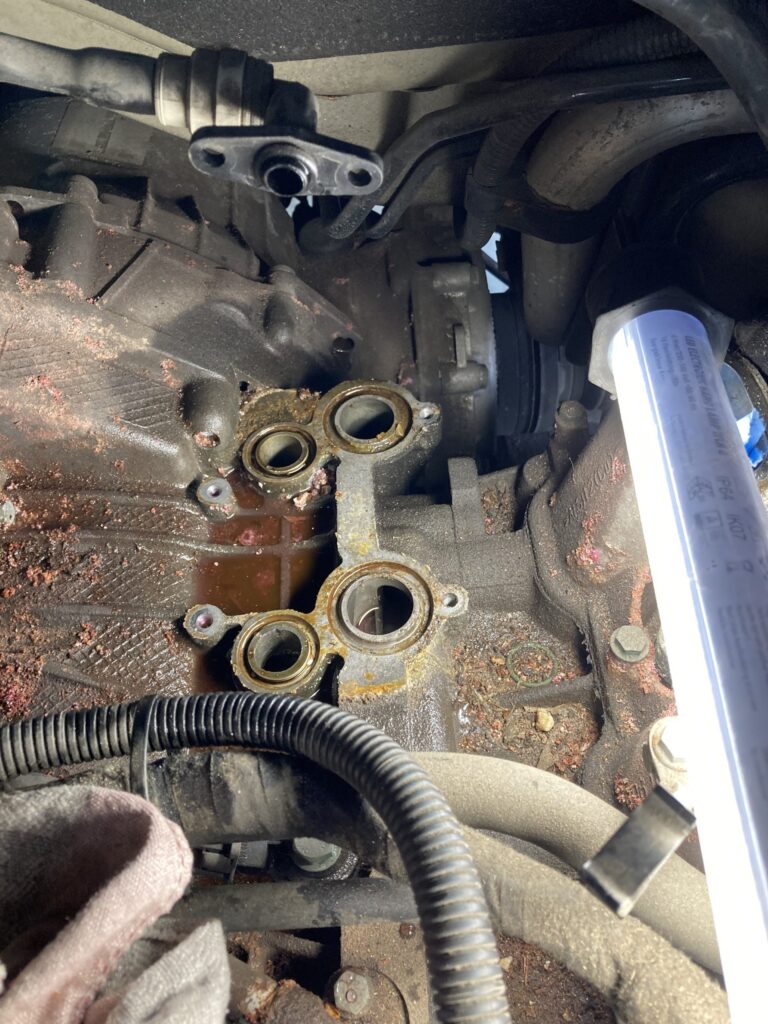
Another component that can cause an engine oil leak is the heat exchanger (engine oil cooler) above the right cylinder bank. Engine oil flows through this cooler and is surrounded by engine coolant. The component serves to reduce the engine oil temperature.
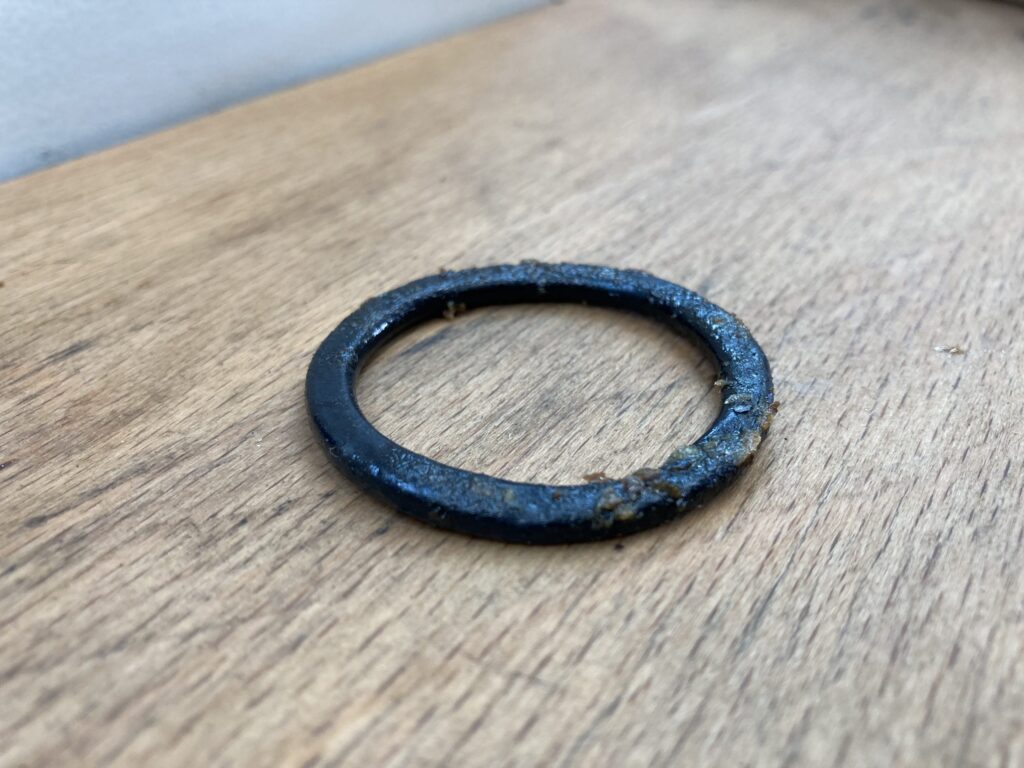
The O-rings that seal it there give way over time due to constant temperature changes and thus lose their function.
The oil then collects underneath the transmission and drips off there.
Here we recommend replacing the unit along with the associated seals. With the transmission removed, the replacement is not a major job and is therefore easy to remedy.

Material consumption

Loss of engine coolant can only very rarely be stopped by replacing seals. Often, the connecting pieces between the materials rubber, aluminium and PE fail and therefore make a consistent replacement of the elements necessary. We have developed the necessary “eye” for this issue and will show you the weak points and repair options on your vehicle.

Lokasil cylinder walls and their pitfalls

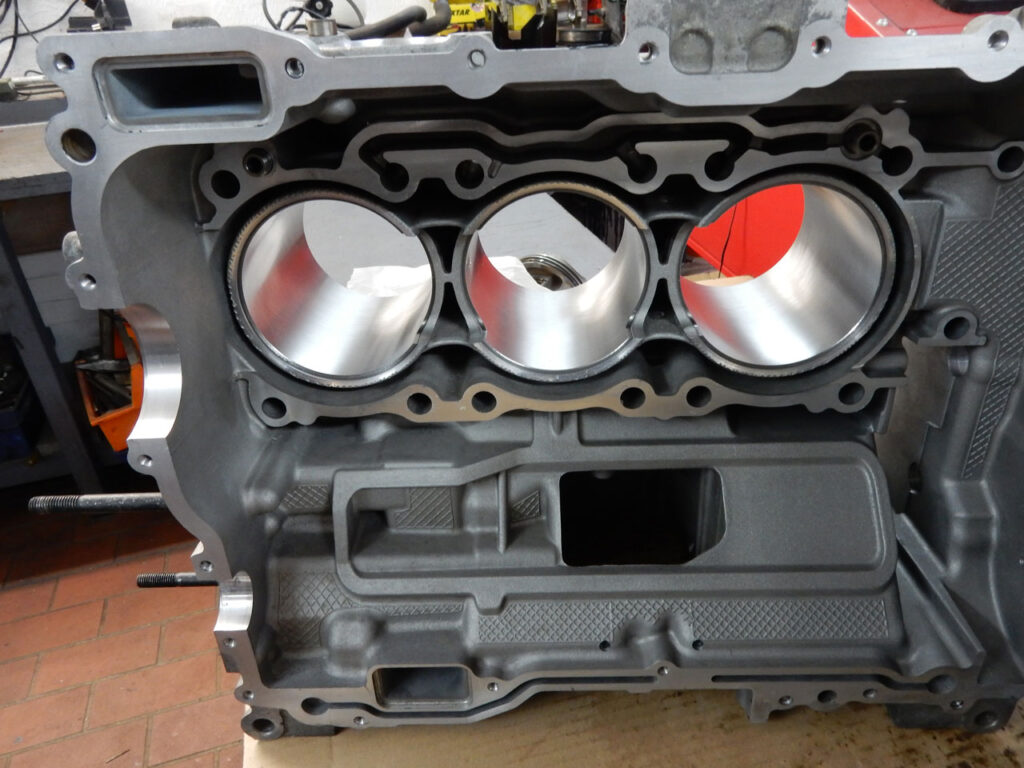
A well-known, but unfortunately very serious problem is the failure of the Lokasil cylinder walls in the 986/996/997.1 engine generations. This leads to piston slap and, at an advanced stage, piston seizure. In our experience, the 997.1 is predominantly affected. For years, the specialist community has been passionately debating whether a repair can be carried out at all and, if so, how it should be performed.
We have been able to gain extensive experience with all repair variants. We will be happy to explain the pros & cons of the different solution approaches.